


Cart
0
You may also like
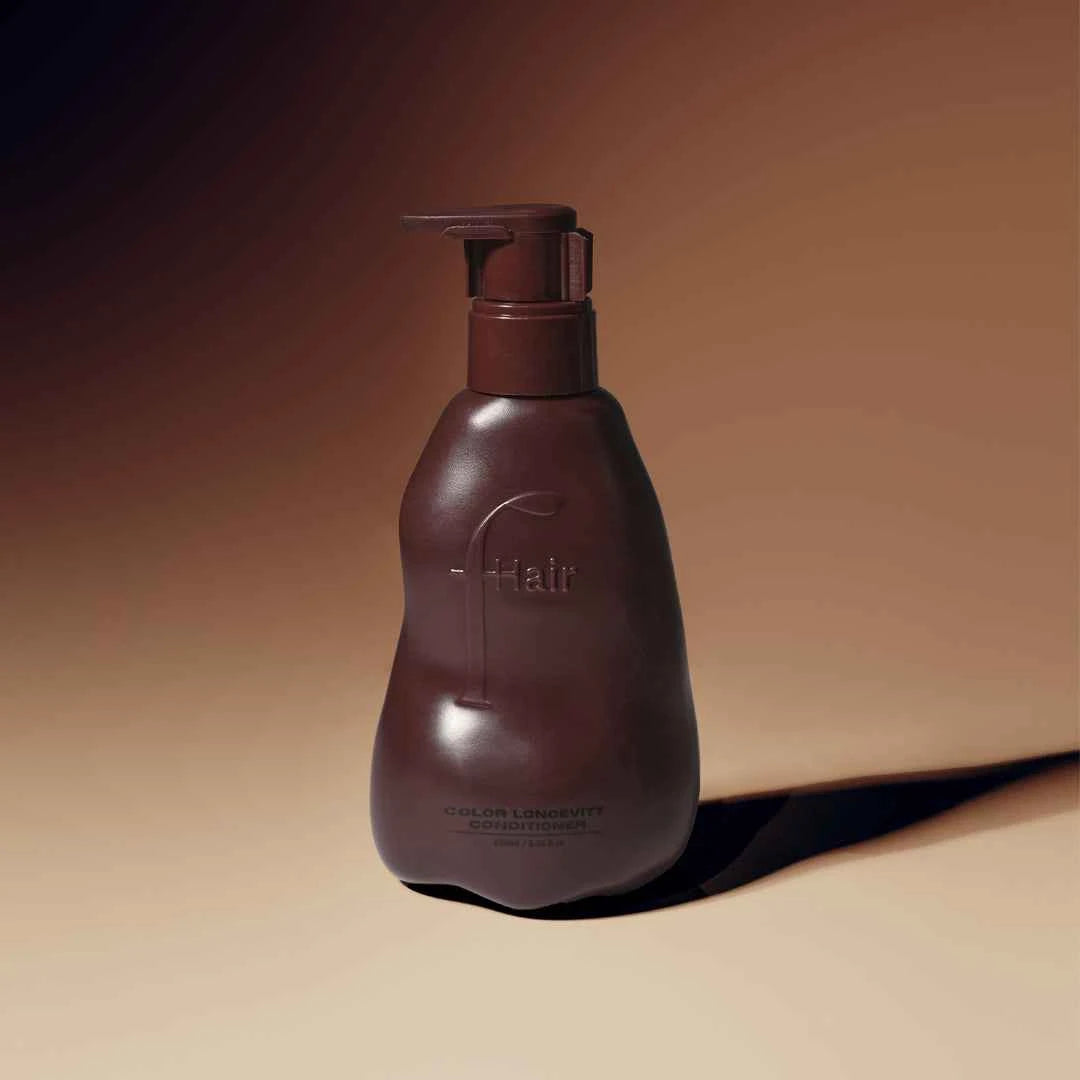
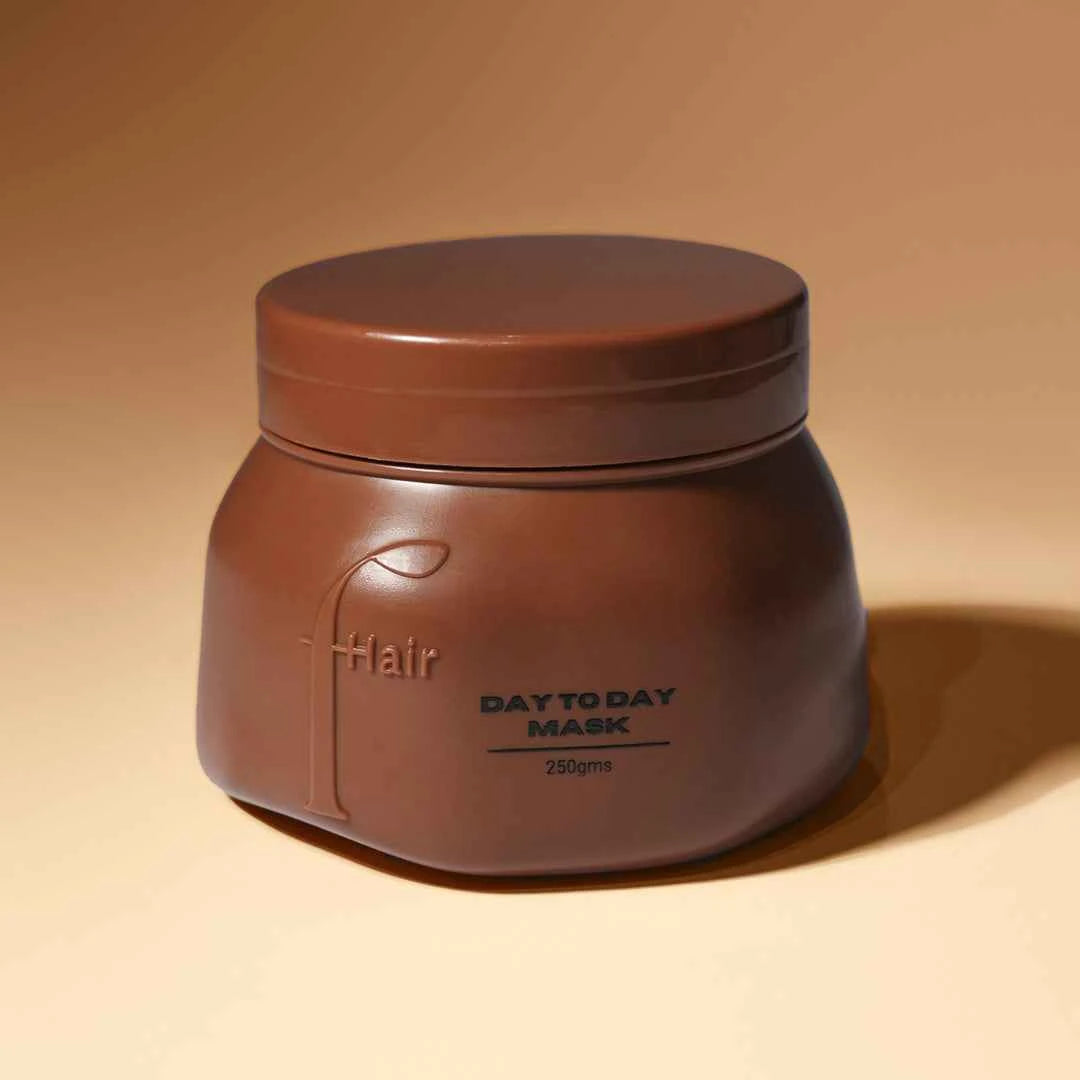


If your hair feels rough, snaps easily or has lost its shine, it's not beyond saving. Most damaged hair is the result of the cuticle — the protective outer layer of each strand — being lifted, cracked or stripped by heat, colour, bleach or chemical treatments. The good news: with the right routine, you can smooth that cuticle back down, reinforce weak spots and bring softness and shine back, all from home.
Here's how to do it, step by step.
Not all damage is the same, and the fix depends on the cause:
If your hair has been coloured, straightened or bleached and now feels brittle, you're dealing with structural damage — and that needs ingredients that rebuild, not just coat the surface.
Damaged hair is fragile, and a harsh, sulphate-heavy shampoo strips what little moisture and protein it has left. Switch to a gentle, sulphate-free repair shampoo that cleanses without stripping. The fHair Rebuild Shampoo is formulated for exactly this — over-processed, chemically treated hair — cleansing while it starts to repair breakage.
This is non-negotiable for damaged hair. Conditioner re-seals the cuticle and replaces lost slip so strands don't tangle and snap. Work the Rebuild Conditioner through mid-lengths to ends — the most damaged part — and leave it for two to three minutes before rinsing.
A weekly mask is where real repair happens. Where a conditioner works in minutes, a mask delivers a concentrated dose of bond-supporting actives and rich emollients. Use the Rebuild Mask in place of your conditioner once or twice a week — apply from mid-lengths to ends, leave for 5–10 minutes, and for a salon-level result wrap your hair in a warm towel to help it absorb.
Damage continues between washes — from heat, friction and the environment. A leave-in cream smooths frizz, softens rough ends and adds a layer of protection that lasts all day. The Rebuild Leave-In Cream is easy to work through damp hair and helps strands feel more resilient until your next wash.
Products do the heavy lifting, but everyday habits decide how fast your hair bounces back:
You'll usually feel a difference after the first mask treatment — more softness and slip. Structural strength rebuilds over weeks of consistent care, not days, so stick with the full routine.
If you want the whole routine in one go, the Rebuild range is built to work together — shampoo, conditioner, mask and leave-in, each targeting damaged and chemically treated hair. Explore the full product range or browse all hair masks to find your repair routine.
All fHair products are sulphate-, paraben- and phosphate-free, 100% vegan and made in India.


